

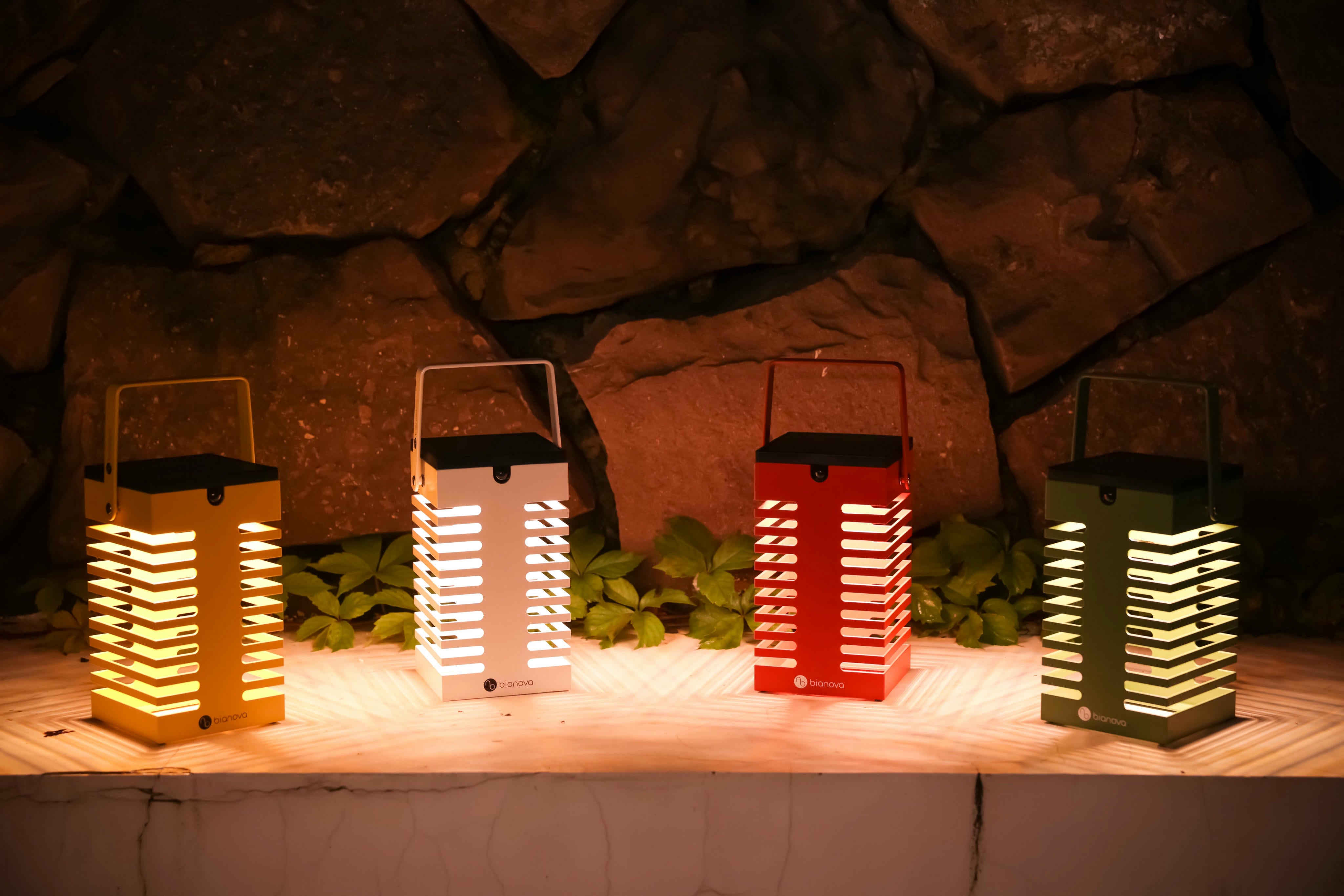
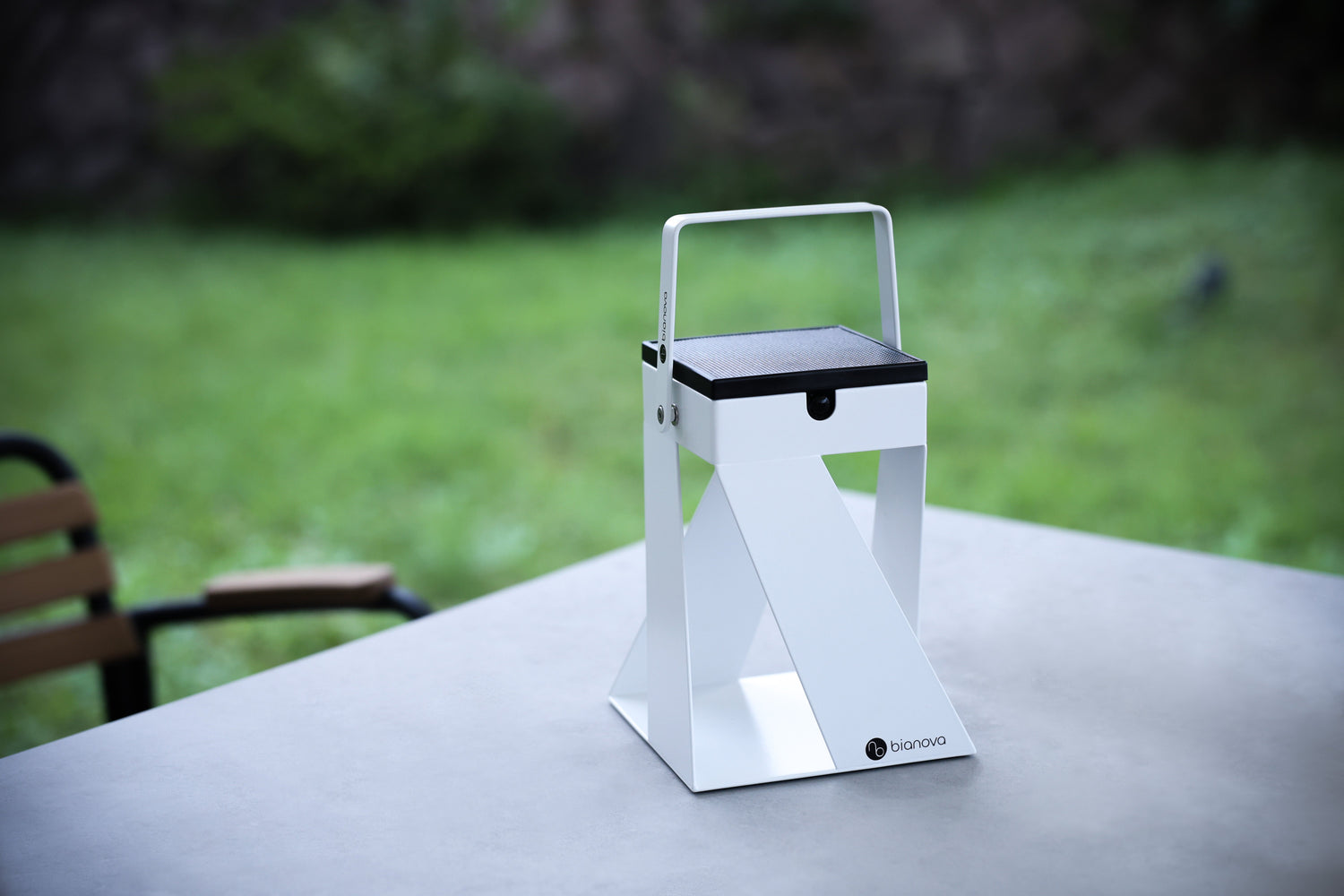
Solar lamps are widely used in gardens, terraces, and balconies, especially during the summer months. However, in many European regions, weather conditions are far from ideal for solar charging throughout the year. Short winter days, frequent rain, and long periods of cloud cover can significantly affect how traditional solar lamps perform.
This is why solar lamps with USB-C charging are becoming an increasingly practical choice for year-round use.
The Problem with Traditional Solar Lamps in Low-Sunlight Seasons
Most conventional solar lamps rely entirely on sunlight to recharge their batteries. While this works well in summer, performance often drops during winter or extended periods of cloudy weather.
Common issues include:
- Batteries not fully charging during the day
- Lights turning off earlier in the evening
- Inconsistent brightness from one night to the next
For users who expect reliable outdoor lighting, these limitations can make solar lamps feel more seasonal than practical.
How USB-C Charging Improves Reliability
Solar lamps that combine solar charging with USB-C charging offer a more flexible solution, especially in regions with unstable weather.
Charging Indoors When Sunlight Is Not Enough
USB-C charging allows the lamp to be recharged indoors using a standard power source. This is particularly useful in winter, when daylight hours are short and solar panels may not receive enough exposure to fully charge the battery.
By topping up the battery indoors, the lamp can still deliver consistent lighting outdoors at night.
Suitable for Rainy and Overcast Climates
In areas where cloudy or rainy days are common, USB-C charging provides a dependable backup. Users are no longer forced to rely solely on daily weather conditions to maintain stable lighting performance.
A Modern, Universal Charging Standard
USB-C has become the standard charging interface for most modern electronic devices. Using the same cable for multiple devices reduces inconvenience and eliminates the need for proprietary chargers.
Solar Lamps That Are Not Limited to Outdoor Use
Another advantage of USB-C charging is that it allows solar lamps to be used indoors when needed. Once charged, the lamp can function independently of sunlight.
This makes it suitable for:
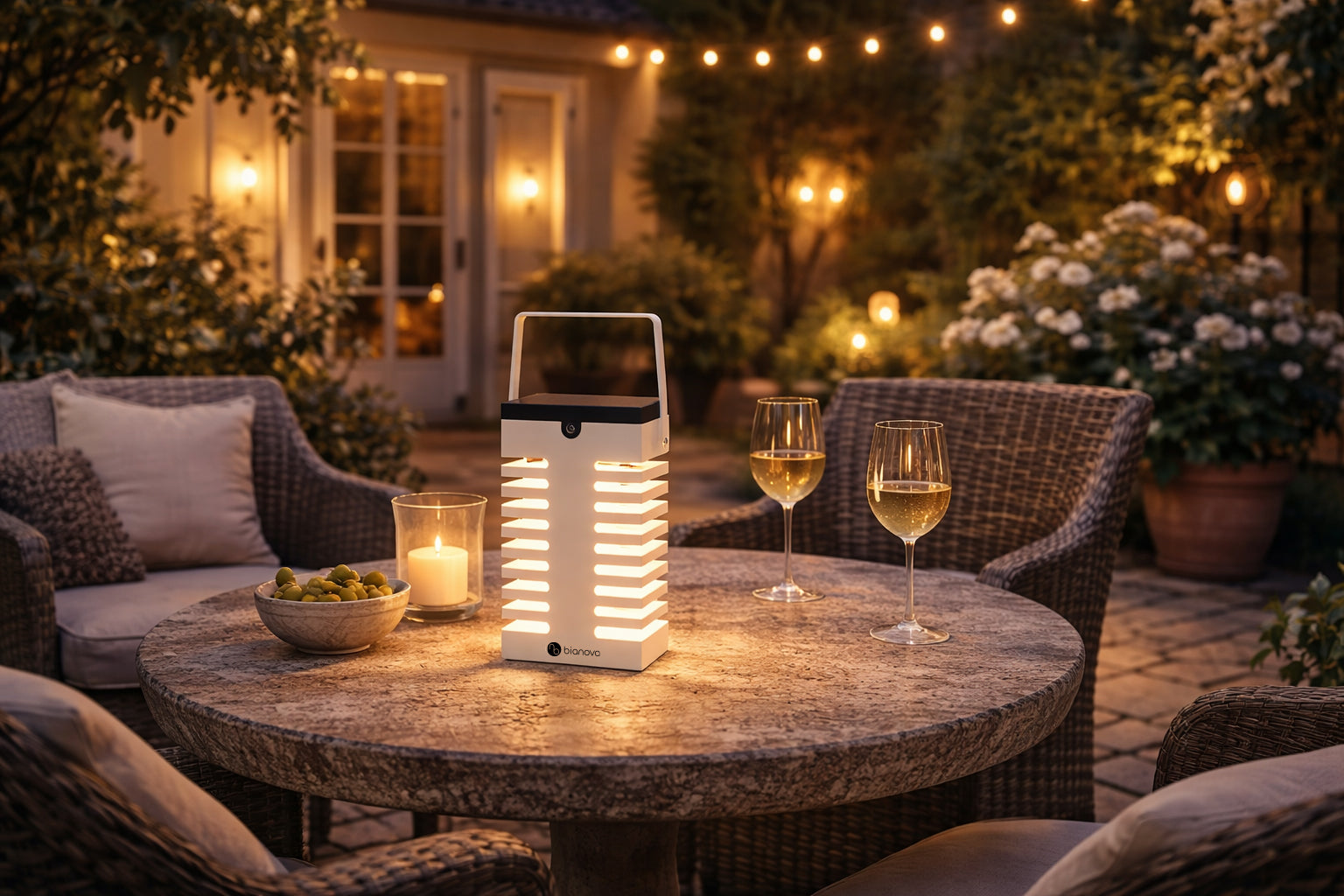
- Dining tables and sideboards
- Shelves and coffee tables
- Temporary indoor lighting for evening use
As a result, the lamp becomes a portable light source rather than a fixed outdoor accessory.
When a Solar Lamp Is Also a Decorative Object
A well-designed solar lamp does more than provide light. When proportions, materials, and light temperature are carefully considered, the lamp can naturally fit into interior spaces as well.
Even when switched off, it remains part of the room—functioning as a decorative object rather than a purely technical product. This is especially important for users who value design consistency between indoor and outdoor spaces.
Designed for Everyday Use, Not Ideal Conditions
Features such as efficient solar panels, adjustable brightness, weather resistance, and intelligent sensors help solar lamps adapt to different environments. When combined with USB-C charging, these features ensure the lamp remains usable across seasons, not just during periods of strong sunlight.
A More Practical Way to Use Solar Lighting
Solar lamps with USB-C charging address one of the main limitations of traditional solar lighting: dependence on perfect weather conditions. By offering an alternative charging option, they provide greater flexibility without sacrificing the benefits of solar energy.
For users living in regions with variable climates, or for those looking for lighting that works both indoors and outdoors, USB-C charging makes solar lamps more reliable and easier to integrate into everyday life.


Leave a comment
This site is protected by hCaptcha and the hCaptcha Privacy Policy and Terms of Service apply.